Business Cash Flow 2026: Why Profitable Companies Still Run Out of Money

Profit and cash are not the same thing, and confusing them is one of the fastest ways to lose a healthy business. A company can book record sales, pay tax on the profit, and still be unable to make Friday's payroll because the money is sitting in a customer's account or tied up in stock. Cash flow is the discipline of knowing when money arrives, when it leaves, and what happens in between.
Why profit is not cash
Your profit and loss statement records revenue when it is earned, not when it is collected. If you invoice a client in March for work delivered in March, the sale appears in March even if the cheque clears in June. Meanwhile wages, rent, supplier bills and tax are due on their own schedule. The result is a timing gap that has nothing to do with how good the business is.
Three ordinary events widen that gap: a large customer stretches payment terms, a seasonal stock build consumes cash before the selling season, and a new contract requires deposits or equipment before it generates revenue. None of these is a crisis by itself. Together they can exhaust a modest reserve in a single quarter.
The three levers you actually control
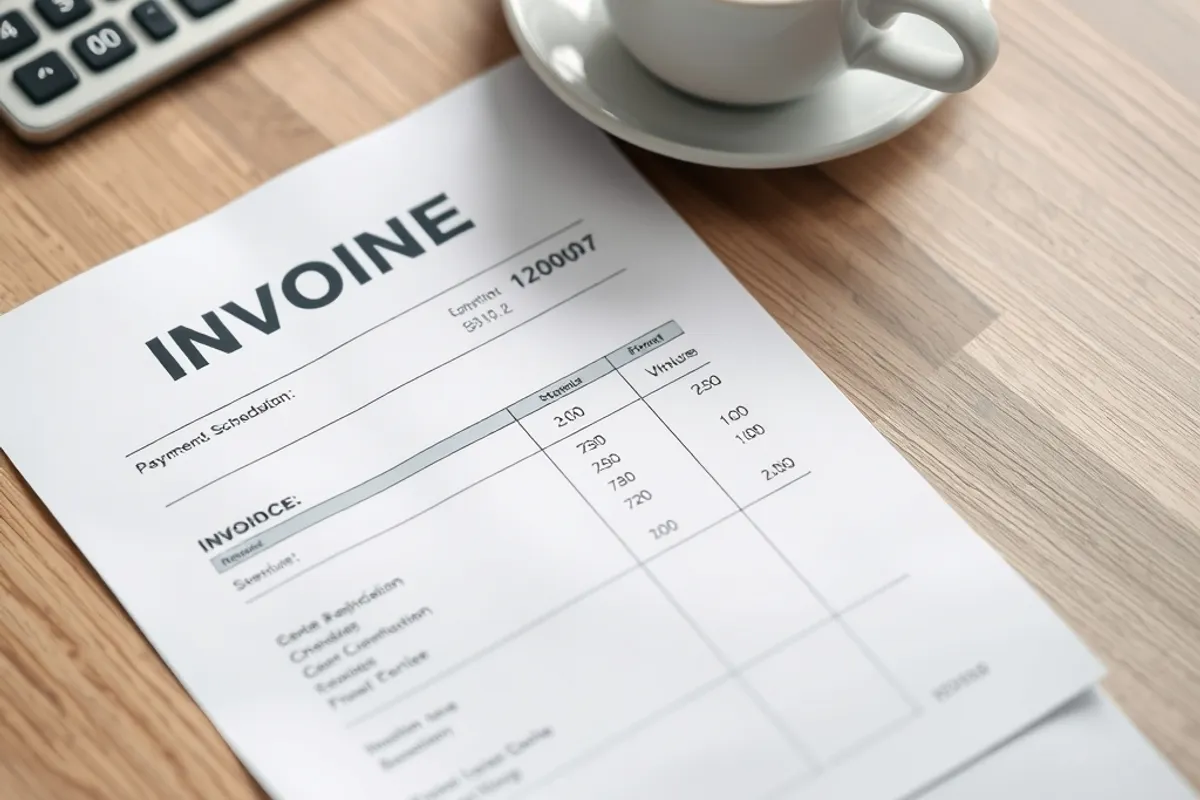
Cash flow improves through three levers, in order of speed: collect faster, pay on time but not early, and hold a buffer. Collection is usually the fastest win. Shorten terms where the market allows, invoice the same day work is delivered, and make paying easy with a direct link or bank transfer details printed on the invoice. A polite reminder three days before the due date recovers more money than an angry call three weeks after it.
On the payment side, do not pay suppliers before the due date simply because the invoice arrived. Negotiate terms that match your customers' payment behaviour, and use early-payment discounts only when the annualised return beats your cost of borrowing. A two percent discount for paying 20 days early is an expensive loan in disguise.
"Profit is an accounting opinion. Cash is the number that decides whether you open on Monday."
Build a 13-week cash flow forecast
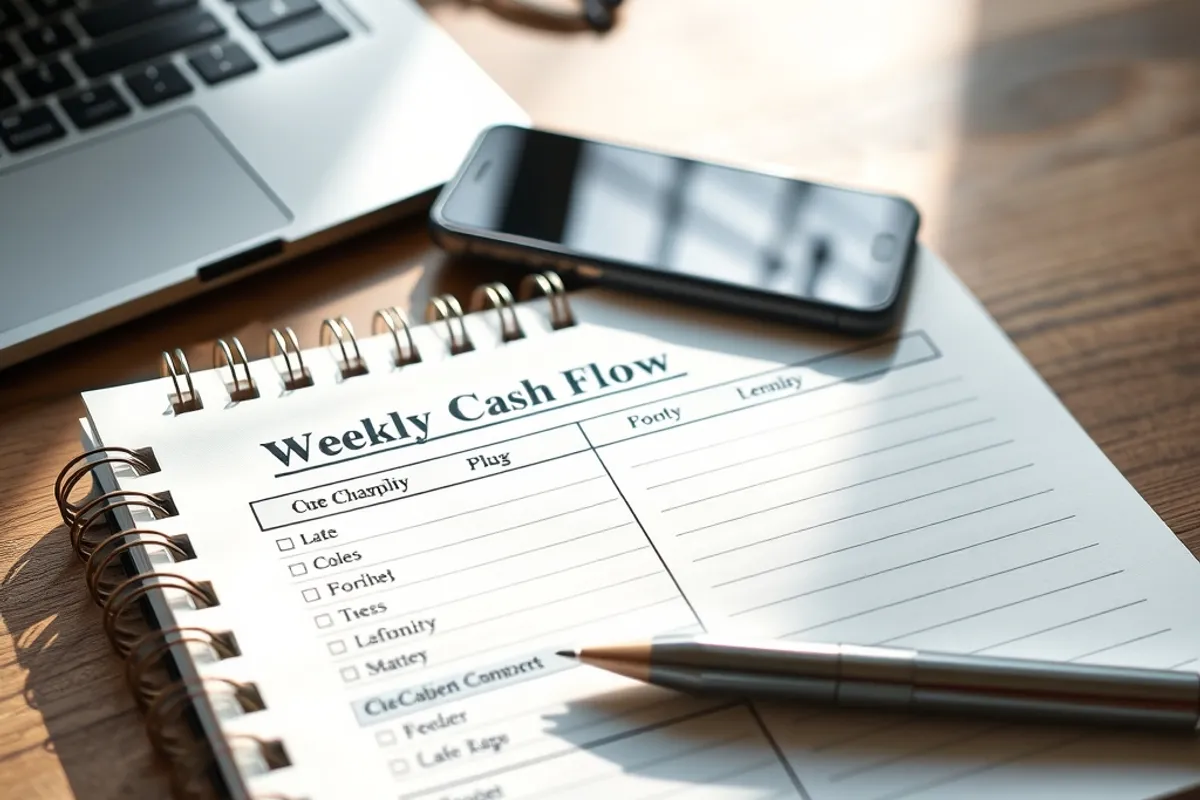
A 13-week forecast is a simple table: weeks across the top, opening balance, expected receipts, expected payments and closing balance down the side. It is deliberately short because weekly detail forces you to name specific invoices and specific bills rather than trusting an annual projection. Update it every Monday with actual bank balances.
Be conservative on receipts and realistic on payments. If a customer habitually pays in 45 days, forecast 45 days even if the contract says 30. Include tax payments, loan instalments, insurance renewals and owner drawings, because these are the outflows that surprise people. The bottom line of each column is your warning system: if the closing balance dips below your buffer, you have time to act.

Warning signs worth acting on early
The earliest signal is usually a growing gap between sales and bank deposits. Others include paying suppliers later each month, relying on a credit card for routine bills, using a short-term facility to cover payroll, and discounting heavily at month end to hit a target. Any one of these is a prompt to re-forecast; two together are a reason to call your accountant before the next payment run.
Watch concentration too. If one customer represents a third of your receivables, their payment behaviour is effectively your cash flow policy. Ask for milestone payments on large projects, and keep a written record of agreed terms so a dispute does not become an indefinite delay.
Funding a gap without digging deeper
Once you know the size and duration of the gap, match the tool to it. A genuine timing gap of a few weeks can suit a business credit line, which you draw when needed and repay when the invoices land. A permanent shortfall in working capital needs a different conversation: raise prices, renegotiate supplier terms, reduce stock, or bring in equity. Using an overdraft or a merchant cash advance to cover a structural loss only postpones the decision and adds cost.
Before borrowing, quantify the all-in cost: interest, arrangement fees, monthly minimums, personal guarantees and any early-repayment penalty. Compare at least two offers and ask what happens if revenue falls by 20 percent. A facility that is cheap in a good month can become unaffordable in a bad one.

A simple weekly rhythm
Cash flow improves when it becomes a habit rather than a panic. Every Monday, reconcile the bank feed, update the 13-week forecast, review invoices due this week, and confirm the next payment run. Once a month, compare the forecast with what actually happened and note why the two diverged. That single review is more valuable than any dashboard, because it teaches you which customers, costs and assumptions deserve a wider margin.
Keep the buffer in an instant-access account, separate from daily operating cash. The point is not to earn the best rate; it is to avoid selling at a discount, borrowing at short notice or missing a tax payment because the money was technically there but not available. Liquidity is a form of bargaining power.
The bottom line
Manage cash on a weekly cycle, forecast 13 weeks ahead, collect aggressively but politely, and keep a buffer sized to your fixed costs. Profit tells you whether the model works; cash flow tells you whether you get to keep running it. If the forecast shows a gap, act while you still have options, because lenders and suppliers treat a business in control very differently from one in a hurry.