Small Business Credit Lines 2026: How to Borrow Less and Stay Flexible

A line of credit is the financial equivalent of a spare tyre: you hope not to need it, but when you do, having it beats improvising at the roadside. For small businesses, a revolving credit line can smooth the gap between paying suppliers and collecting from customers without committing to a fixed multi-year loan. The catch is that flexibility has a price, and the terms matter more than the advertised rate.
What a credit line is, and is not
A revolving line gives you access to an approved limit. You draw what you need, repay it, and draw again, paying interest only on the outstanding balance. That makes it useful for seasonal stock, a large project with staged payments, or a temporary delay in receivables. It is not a substitute for profit. If the business loses money every month, a credit line simply converts an operating problem into debt.
Unlike a term loan, a credit line usually carries an annual review. The lender can reduce or withdraw the limit if your financial position changes, sometimes with little notice. That is the most important risk to understand: the facility is available until it is not. Never rely on it as your only buffer.

Compare the whole cost, not the headline rate
Advertised rates are often the best case for the strongest borrower. Ask for the annual percentage rate you would actually pay, then add the fees: an origination fee, a monthly maintenance charge, an unused-line fee, and sometimes a transaction fee each time you draw. A line with a lower rate but a steep unused fee can cost more than a simpler product if you rarely draw.
Model a realistic year. If you expect to draw an average of $20,000 for four months, compare the interest plus fees across three offers. Then model a bad year, where the balance stays drawn for ten months. The ranking often changes. Also ask whether repayments are interest-only or amortising, and what happens if you miss a payment.
"The cheapest credit line is the one you barely use, and the most expensive is the one you cannot repay on schedule."
Secured, unsecured and personal guarantees
Unsecured lines are faster to arrange but usually smaller, pricier and more likely to require a personal guarantee. Secured lines may be backed by receivables, inventory or equipment and can offer a larger limit at a lower rate, but the lender has a claim on those assets if you default. Read the guarantee carefully: in many small businesses, the owner's personal exposure is the real security behind the facility.
Check the covenants as closely as the rate. Common conditions include maintaining a minimum bank balance, submitting monthly financials, staying within a debt-service ratio, or not taking additional borrowing without consent. A covenant that is easy to meet today can become a technical default after one slow quarter, giving the lender grounds to freeze the line when you need it most.

When a credit line beats a term loan
Choose a line when the need is short and self-repeating: buying inventory before a busy season, bridging a project, or covering a receivable that is late but not doubtful. Choose a term loan when you are financing an asset with a long life, such as equipment, a vehicle or a fit-out, because matching the repayment period to the asset avoids rolling debt forever. A line used for permanent working capital tends to be renewed indefinitely and never truly repaid.
If the gap is caused by slow-paying customers, fix the collection process first. Shortening payment terms, requiring deposits and invoicing promptly can reduce the amount you need to borrow. A credit line should support a healthy operating cycle, not mask a broken one.
Applying without damaging your options
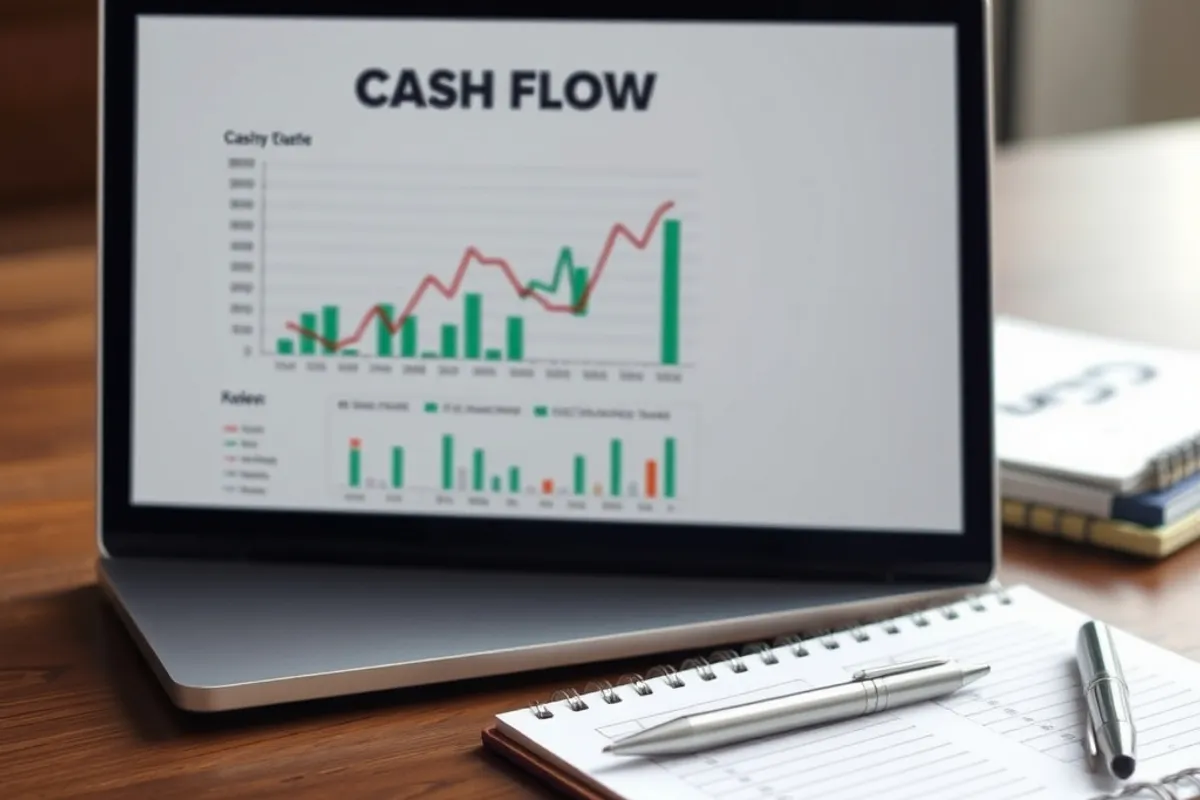
Lenders look at time in business, revenue, profitability, credit history and bank conduct. Prepare three things before you apply: current financial statements, a 13-week cash flow forecast, and a short explanation of why the money is needed and how it will be repaid. A clear purpose and a realistic repayment plan improve both approval odds and pricing.
Do not apply to five lenders in one week. Multiple hard credit enquiries can hurt your profile, and a scattergun approach signals desperation. Start with your existing bank, which already holds your transaction history, then compare one or two alternatives. Ask each lender how long approval takes, what documents are required and whether the rate is fixed or variable.

A simple rule for using the line
Draw only against a specific, dated inflow, and note the expected repayment date in your forecast. If the inflow slips, update the plan and tell the lender before the payment is due. Communication is underrated: a borrower who flags a problem early is treated as a manager, while one who goes silent is treated as a risk. Pay down the balance whenever cash allows, even partially, because interest accrues daily.
Keep the line separate from your operating account so drawing is a deliberate decision rather than a convenience. Review utilisation monthly. A facility that is consistently near its limit is telling you something about the business that a higher limit would only hide.
The bottom line
A business credit line is a useful buffer for known, short timing gaps, provided you understand the fees, the review process and the guarantee. Compare the all-in cost across a realistic year, read the covenants, and keep a cash reserve that does not depend on the lender. Borrow less than the maximum, repay on schedule, and treat the facility as a tool for flexibility rather than a source of permanent capital.